Wondering how to visit Serralves Park? Here's everything you need to know
Serralves Park is a cultural estate in Porto best known for pairing a major contemporary art museum with formal gardens, a treetop walk, and an Art Deco villa. The visit feels bigger than many people expect because the museum, villa, outdoor artworks, and parkland are spread across 18 hectares. The main make-or-break choice is order: do the museum first, because you cannot count on popping back inside once you move on. This guide covers timing, tickets, routing, and practical day-of tips.
Quick overview: Serralves Park at a glance
If you want one Porto outing that mixes art, architecture, and green space, this is the one to plan properly.
- When to visit: Daily from 10am–7pm. Weekday mornings are noticeably calmer than first-Sunday free-entry mornings and weekend afternoons, because the museum galleries stay quieter and the treetop walk rarely backs up early in the day.
- Getting in: From €24 for standard full access, with combo options on Headout if you want to pair your visit with a Douro Valley day tour. You can buy on the day, but booking ahead makes the most sense in late spring, summer, and festival periods when Porto itineraries fill up fast.
- How long to allow: 2–3 hours for most visitors. It stretches closer to half a day if you want the museum, villa, sculpture trail, farm area, and a relaxed park walk.
- What most people miss: The outdoor sculpture trail, the quieter Serralves Villa interiors, and the Manoel de Oliveira House of Cinema are the parts many visitors rush past after the museum and treetop walk.
- Is a guide worth it? Usually not for a standard visit, because the park is easy to enjoy self-guided; a guide adds the most value if you care deeply about architecture, curatorial context, or the estate's landscape design.
Jump to what you need
Where and when to go
How much time do you need?
| Visit type | Route | Duration | Walking distance | What you get |
|---|---|---|---|---|
Highlights only | Museum → formal gardens → treetop walk → exit | 2 hours | ~2 km | Covers the headline experience and works well if you are short on time, but you will skip quieter parts of the estate like the sculpture trail and House of Cinema. |
Balanced visit | Museum → villa → formal gardens → treetop walk → sculpture route | 2–3 hours | ~3 km | Gives you the museum, villa, gardens, and a more rounded outdoor route without feeling rushed, and is the best fit for most visitors. |
Full exploration | Museum → villa → formal gardens → sculpture trail → treetop walk → farm → House of Cinema | 4+ hours | ~4–5 km | Lets you see the full estate at a slower pace, including the farm and less-visited corners, but it is a much more walking-heavy half-day outing. |
Which Serralves Park ticket is best for you
| Ticket type | What's included | Best for | Price range |
|---|---|---|---|
Tickets to Serralves Foundation | Serralves Foundation entry with access to the park, treetop walk, and optional museum, villa, or cinema house visit | A flexible visit where you want one booking that covers the outdoor estate and lets you add the indoor cultural spaces that make the trip feel complete | Entry from €15 |
Combo (Save 10%): Serralves Foundation Tickets + Douro Valley Tour | Serralves Museum entry, guided Douro Valley day tour, vineyard visits, tastings, lunch, and Pinhão river cruise | A longer Porto stay where you want to pair a city culture stop with a full-day wine-region outing without planning them separately | Entry from €110.70 |
How do you get around Serralves Park?
What is Serralves Park worth visiting for?
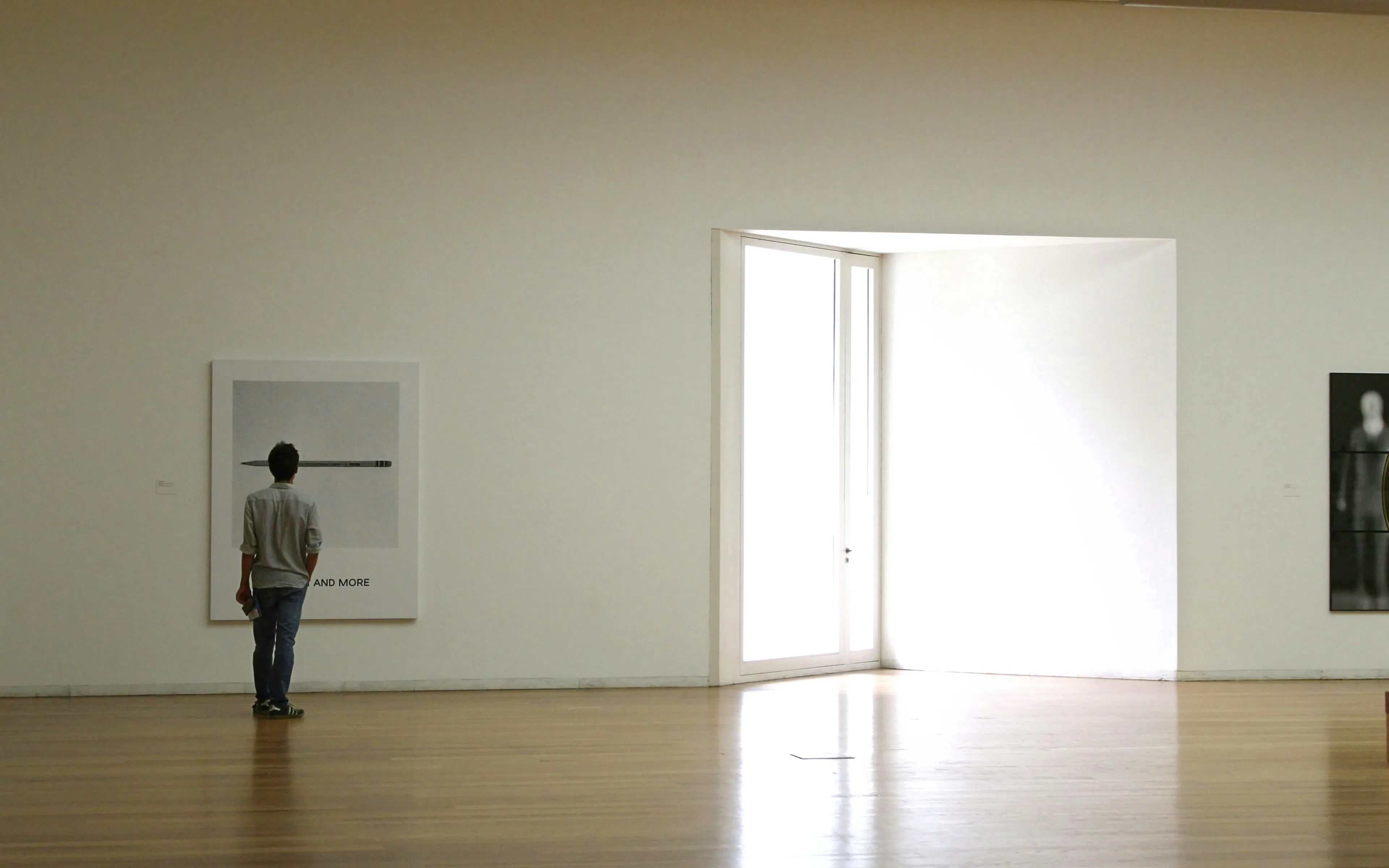
Contemporary Art Museum
Attribute — Architect: Álvaro Siza Vieira
This is the estate's anchor and the reason many visitors come in the first place. The galleries are minimalist, bright, and built for rotating exhibitions, so the building itself is part of the experience. What people often miss is how much the natural light shapes each room.
Where to find it: Just inside the main estate, reached from the primary visitor route after entry.
Treetop walk
Attribute — Experience type: Elevated canopy walkway
The treetop walk gives you a completely different angle on the grounds, with open views across the tree canopy and park layout. It's a short experience, but it changes how you understand the scale of the estate. Most visitors rush to the photo points and move on.
Where to find it: In the park section beyond the main formal garden routes, connected to the outer walking circuit.
Serralves Villa
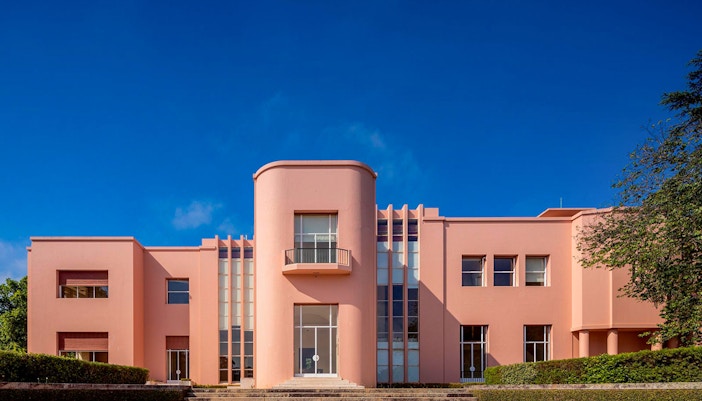
Attribute — Era / style: 1930s Art Deco residence
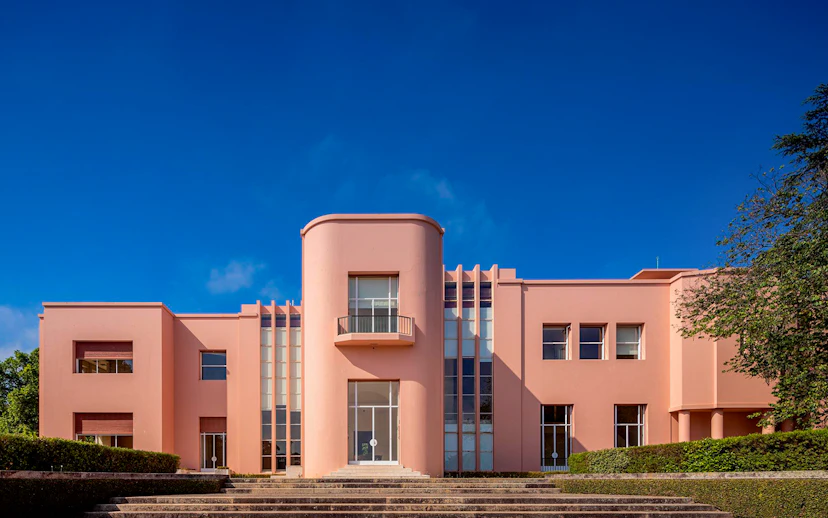
The pink villa is the quiet counterpoint to the museum's modernism. Inside, you get period interiors, temporary displays, and some of the estate's best framed garden views. Many visitors treat it as a photo stop from the outside only.
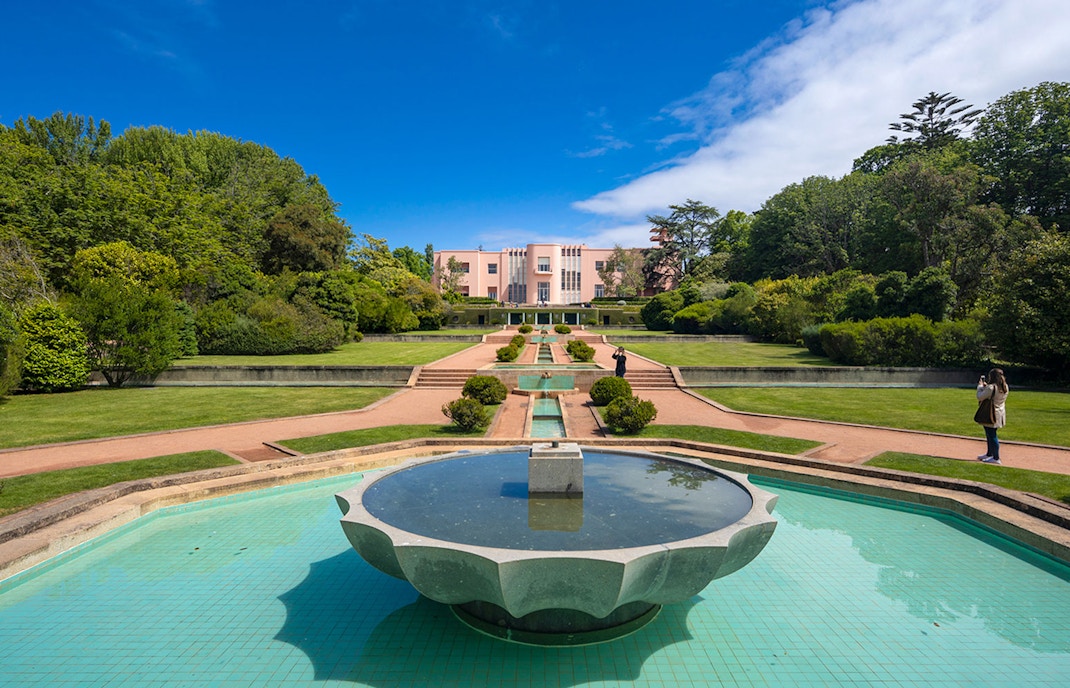
Where to find it: Between the museum and the formal gardens, at the center of the estate's most structured landscape.
Formal gardens
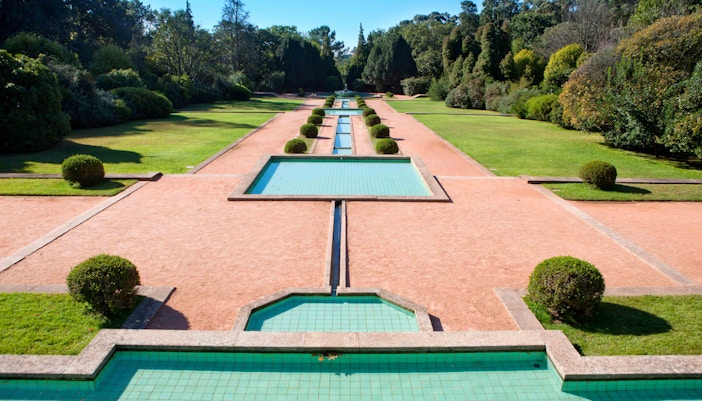
Attribute — Landscape design: Jacques Gréber's designed garden estate
These are the most visually ordered parts of the grounds, with axial paths, terraces, lawns, and reflecting features that make the estate feel far more composed than a simple city park. Visitors often walk through too quickly on the way to the treetop route.
Where to find it: Directly around the villa and extending outward along the main park axis.
Outdoor sculpture collection
Attribute — Collection type: Contemporary sculpture trail
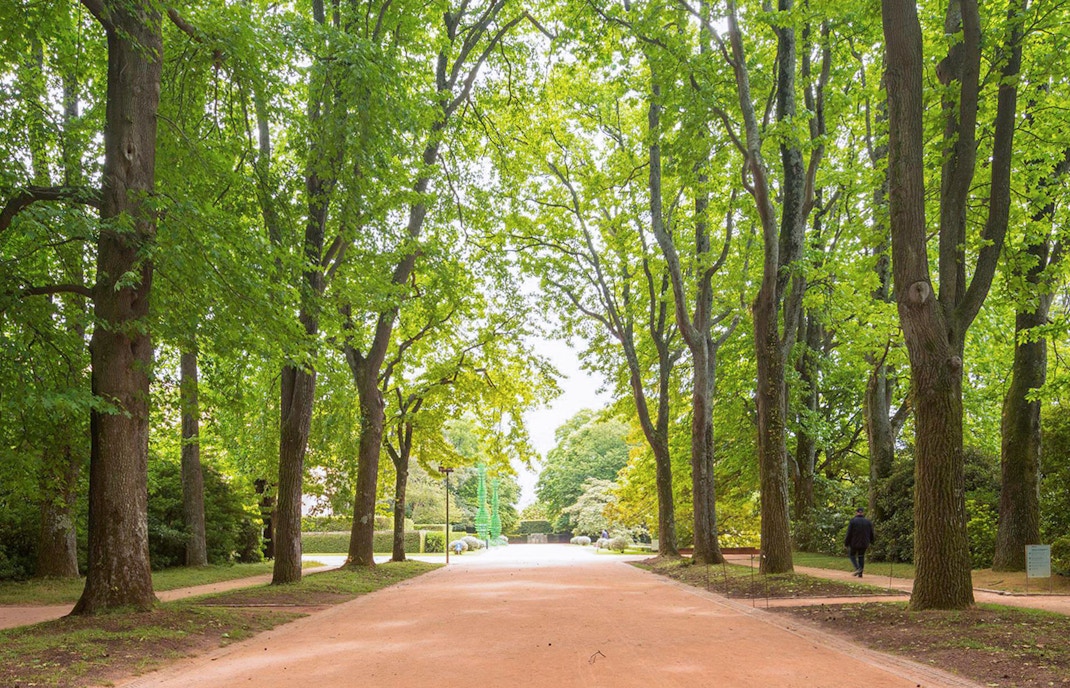
The park's sculpture collection turns the grounds into an open-air extension of the museum. The best works are not all concentrated in one area, which is exactly why people miss some of them. If you only follow the busiest paths, you'll see the park but not the full art experience.
Where to find it: Spread across the gardens and wooded sections; use the map to track the full trail.
Farm and eco area
Attribute — Experience type: Family-friendly educational zone
This is the gentlest part of the estate and one of the reasons the site works so well for families. The farm, gardens, and environmental focus shift the visit away from pure gallery time and give children something concrete to engage with. Adults often skip it.
Where to find it: Toward the farther end of the park, beyond the main formal garden and sculpture routes.
Facilities and accessibility
- 🍽️ Café / restaurant: There is an on-site café or restaurant area that works well for coffee, a light meal, or a break between the museum and the grounds.
- 🛍️ Gift shop / merchandise: The museum shop is the best place for design-led souvenirs, art books, and exhibition-related items before you leave.
- 🅿️ Parking: On-site parking is available, but it's smartest to arrive earlier on weekends because spaces tighten once local visitors start arriving.
- 🪑 Seating / rest areas: The park offers natural rest points across the gardens, and indoor breaks are easiest around the museum and café areas.
- 🗺️ Visitor maps: Printed maps at entry are genuinely useful here because the estate is large enough to miss sculptures, the farm, or the House of Cinema without one.
- ♿ Mobility: The site is suitable for wheelchair users, with museum access designed for step-free movement, though some outdoor routes feel longer because the estate is spread across a large park.
- ♿ Terrain: Main paths are paved and manageable, but some sections of the grounds are hillier and slower-going than the museum route.
- 🧠 Cognitive and sensory needs: Weekday mornings are the calmest time to visit if you want a lower-stimulation experience, especially before the gardens and treetop walk get busier.
- 👨👩👧 Families and strollers: The estate works well with strollers on the main visitor route, but you should expect a longer push across the outer park sections than the compact museum areas.
- 🚗 Arrival: A taxi or rideshare is often the simplest accessible arrival option because it drops you directly at the main entrance and cuts out bus changes.
Serralves is a good family pick because children get more than gallery time here — they have open space, a treetop route, and a farm area that breaks up the visit naturally.
- 🕐 Time: 1.5–2.5 hours is realistic with younger children, and the museum plus farm or treetop walk is the easiest combination to prioritize.
- 🏠 Facilities: The biggest family advantage is space, because the grounds give children room to reset between indoor exhibits and quieter garden sections.
- 💡 Engagement: Use the sculpture trail like a treasure hunt, since spotting unusual artworks outdoors keeps children engaged better than trying to do every gallery room.
- 🎒 Logistics: Bring a small bag, snacks for after the indoor visit, and start earlier in the day so you reach the outdoor highlights before energy drops.
- 📍 After your visit: Foz do Douro makes an easy family-friendly follow-up, with room for a waterfront walk once you're done at the estate.
Rules and restrictions
Practical tips
- Booking and arrival: You usually don't need to book weeks ahead, but same-day and next-day planning is common here, so reserve online once you know your Porto schedule and arrive close to opening if you want the museum at its quietest.
- Pacing: Start indoors, not outdoors — the museum takes about 60–90 minutes, and the park is the better place to slow down once your attention starts to fade.
- Crowd management: Weekday mornings work best because the galleries stay calm, and you reach the treetop walk before the late-morning park crowd builds.
- Free-entry strategy: The first Sunday morning is only worth it if saving money matters more than having space; it's one of the least peaceful times to see the museum.
- What to bring or leave behind: Bring comfortable shoes for a 2–3 hour visit across 18 hectares, and keep your bag small so the move between indoor and outdoor spaces feels easy.
- Food and drink: Don't plan a mid-visit exit for lunch — use the on-site café for a short break or eat properly after you've finished, because leaving early can break the flow of the visit.
- Families: If you're visiting with children, aim for the museum, farm, and one park highlight rather than trying to cover every path in one go.
- Photography: Late afternoon light is especially good for the park and sculpture trail, but if photos matter more than empty galleries, save your slow outdoor loop for the end.
What else is worth visiting nearby?
Eat, shop and stay near Serralves Park
- On-site: The café or restaurant at Serralves is the easiest option for coffee, light meals, and a short terrace break, but it works better as a convenience stop than as your main Porto meal.
- Better option nearby: Foz do Douro is the smartest post-visit food area because it gives you far more choice once you're done with the estate and no longer worrying about re-entry.
- Best timing: If you're doing the full museum-and-park route, eat after your visit rather than halfway through it, because leaving mid-visit is what most often disrupts the day.
- Pro tip: If you want the quietest café break on-site, go before 12:30pm; otherwise finish your visit and save your proper lunch or dinner for the coast.
- Serralves Museum Shop: This is the most useful shopping stop in the area if you want art books, design objects, and exhibition-led souvenirs in one place.
- Best buy: The strongest purchases here are usually books, prints, and thoughtful design pieces rather than generic Porto souvenirs.
Yes, but mainly if you want a quieter base away from Porto's busiest center or you're planning time in Foz as well as Serralves. The area feels more residential, greener, and slower-paced than Ribeira or Baixa. It suits visitors who like space and don't mind using taxis or buses to get back into the center at night.
- Price point: This part of Porto tends to skew mid-range to upscale, especially closer to Foz and the coast.
- Best for: Visitors who want a quieter stay, easy access to green space, and a smoother museum-and-coast itinerary than a nightlife-first base.
- Consider instead: Baixa or Ribeira are better for a short first trip if you want to walk to major landmarks, restaurants, and evening plans with fewer transport decisions.
Frequently asked questions about visiting Serralves Park
Most visits take 2–3 hours. That's enough for the museum, main gardens, treetop walk, and a quick stop at the villa, but if you like contemporary art, photography, or a slow park route, you could easily spend 4 hours here.
No, you don't usually need to book far in advance, but booking online still makes the day easier. Most people decide within a few days of visiting, and pre-booking is especially helpful in late spring, summer, and on busy free-entry or festival periods.
Arriving close to opening is the best move if you want the calmest museum visit. A 10am start usually gives you quieter galleries, easier photos, and a smoother run to the treetop walk before the park gets busier later in the morning.
Yes, but a small bag is the best choice here. You'll be moving between indoor galleries and a large outdoor estate, so carrying less makes the route easier and keeps the visit more comfortable over 2–3 hours of walking.
Yes, photography is part of the appeal here, especially outdoors in the gardens, sculpture trail, and around the villa. Inside the museum, rules can vary by exhibition, so check the signage at each gallery instead of assuming the same rule applies everywhere.
Yes, Serralves works well for groups because the estate naturally splits between indoor and outdoor areas. If your group has mixed interests, the museum, gardens, and farm make it easy for people to enjoy different parts of the site without the visit feeling too rigid.
Yes, it's one of the better family-friendly cultural visits in Porto. The farm, open space, treetop walk, and outdoor sculptures break up the museum time well, which is why even children who are not interested in every gallery usually still enjoy the day.
Yes, the experience is suitable for wheelchair users. The museum is the easiest part of the site to navigate, while the outdoor estate is more spread out, so it helps to plan a shorter route if you want to focus on the most accessible sections first.
Yes, there is an on-site café or restaurant for a simple break, and Foz do Douro is the best nearby area if you want more choice after your visit. It's smarter to eat after finishing rather than leaving halfway through and breaking your route.
A full-access visit can cover the museum, park, treetop walk, villa, and House of Cinema, depending on the ticket you choose. Check the inclusions before booking, because some visitors only want the outdoor estate while others want the complete cultural package.
Yes, the first Sunday of the month usually includes a free-entry morning window from 10am–1pm. It's a good budget option, but it is also one of the busiest times to visit, so go early and expect a less peaceful museum experience.
Yes, parking is available on-site. It's simplest on weekdays, but weekend arrivals are better earlier in the day because the lot gets tighter once families and local visitors begin arriving for the gardens.