Why is the Clérigos Tower a must-visit attraction?

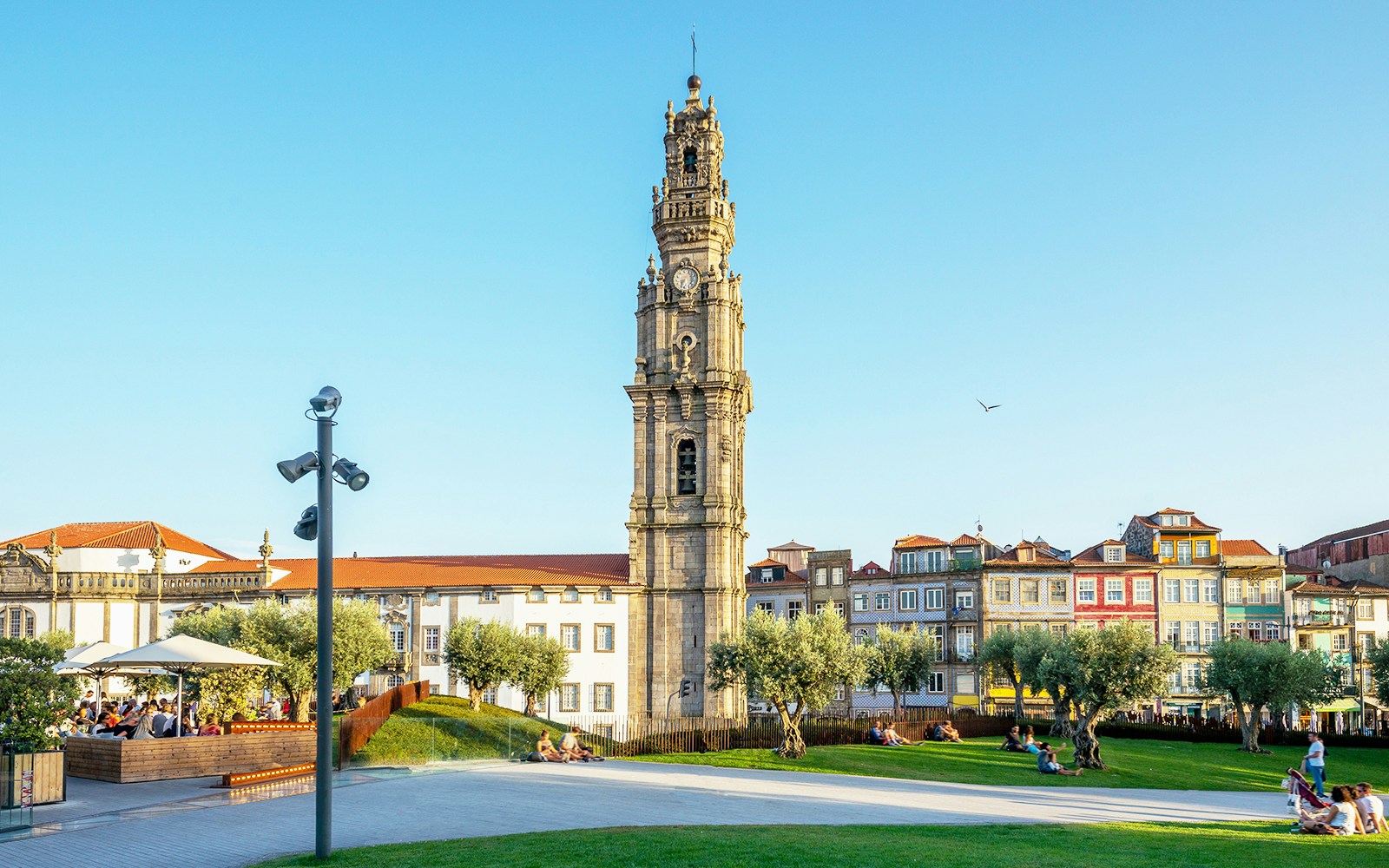
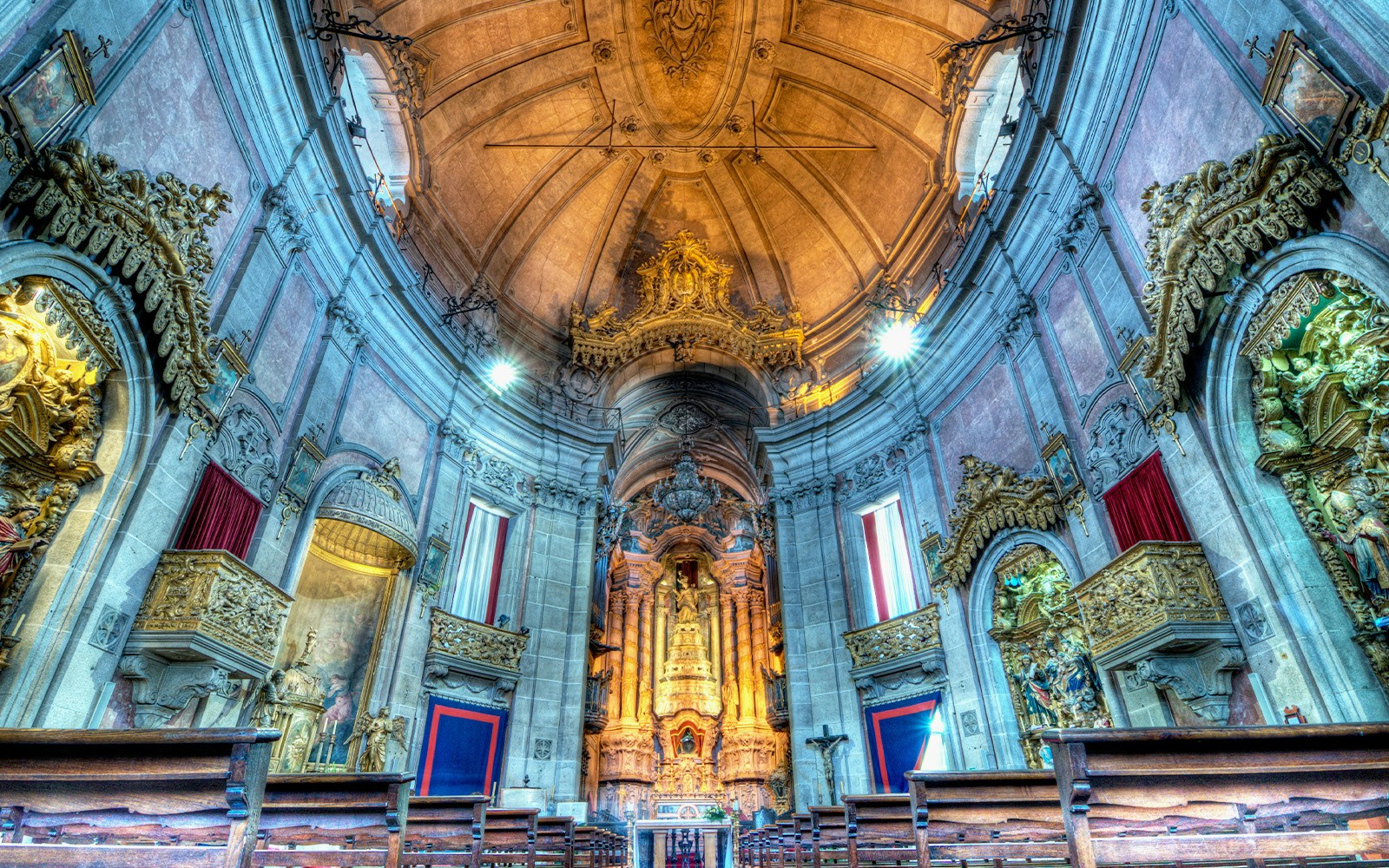
A visit to the Clérigos Tower feels like stepping into Porto’s skyline and history at the same time. Also known as the Torre dos Clérigos, this structure was built as part of the Clérigos complex, featuring the church and museum alongside it. You begin inside a Baroque church filled with warm stone, carved altarpieces, and soft light filtering through tall windows. The space feels intimate and calm, a contrast to the busy streets right outside.

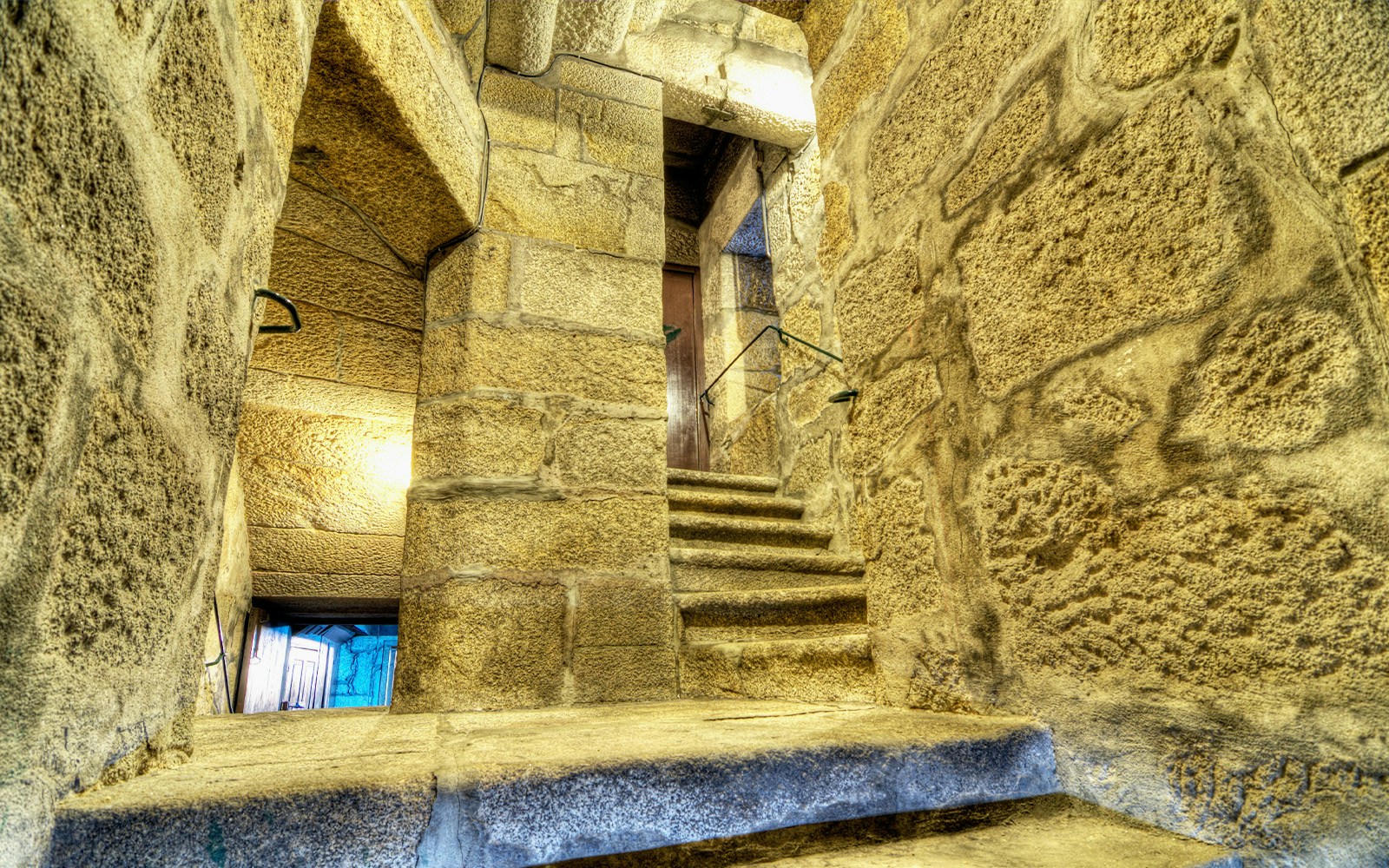
From there, the experience becomes more physical. You enter the tower and start climbing the narrow, spiral staircase with 225 steps. The walls grow closer, the steps turn steeper, and each small opening reveals a slightly higher view of the city. The climb is short but memorable, and it builds anticipation with every turn.

At the top, the reward arrives all at once. Terracotta roofs stretch in every direction. The Douro River glints in the distance. You can spot the cathedral, the bridges, and the layered hills that define Porto’s landscape. The viewpoint is compact, which makes the moment feel shared and lively, especially at sunset, when the entire skyline is cast in a warm, orange glow.

The tower also works perfectly as part of a walking route through the historic centre. Livraria Lello sits just around the corner, and São Bento station is only a few minutes away. That makes the Clérigos Tower an easy addition to any itinerary, whether you have a full day in Porto or only a few hours to explore.

Book Clérigos Tower tickets & tours
What to see at the Clérigos Tower

Placeholder Image Headout Blimp

Igreja dos Clérigos

Also known as the the Clérigos Church, this structure forms the heart of the complex. Its elliptical layout feels unusual and draws your eye toward the richly decorated main altar. Look for carved woodwork, gilded details, and the tomb of Nicolau Nasoni.

Placeholder Image Headout Blimp

Brief history of Clérigos Tower

Construction of the Clérigos complex began in the 1730s under the Brotherhood of the Clérigos. Italian architect Nicolau Nasoni designed the church, the tower, and the surrounding buildings. The church opened first, and the tower was completed later in 1763.

For many years, the tower served as a visual reference point for ships approaching the city and as a symbol of Porto’s growing importance. Over time, it became one of the most recognizable structures in northern Portugal. Restoration projects in the late 20th and early 21st centuries opened the tower and museum to visitors and transformed the site into one of Porto’s most visited landmarks.

Who built the Clérigos Tower?

Nicolau Nasoni, an Italian architect and painter, designed the entire Clérigos complex. He played a major role in shaping Porto’s Baroque identity. His work combines Italian influences with local granite construction. Nasoni considered this project his most important and chose to be buried inside the church.

Architecture of the Clérigos Tower

The Clérigos Tower is a striking example of Portuguese Baroque architecture. Built from local granite, the structure rises in stacked sections that become lighter and more decorative as they climb. The church below features an elliptical nave, which was unusual for its time and gives the interior a sense of movement.

The tower itself narrows as it rises, with sculpted windows and ornamental details marking each level. At the top, the belfry opens into an outdoor platform that functions as the viewpoint. The combination of solid stone, decorative carving, and vertical emphasis creates a dramatic silhouette that dominates Porto’s skyline.

Frequently asked questions about Clérigos Tower

Absolutely! The Clérigos Tower is one part of the larger Clérigos Complex, an iconic site and major tourist attraction in Porto’s historic center. Besides its stunning Baroque architecture, it offers unbeatable panoramic views of the city’s vibrant skyline.